What people are selling
Listed by the makers themselves. Prices and lead times are theirs.
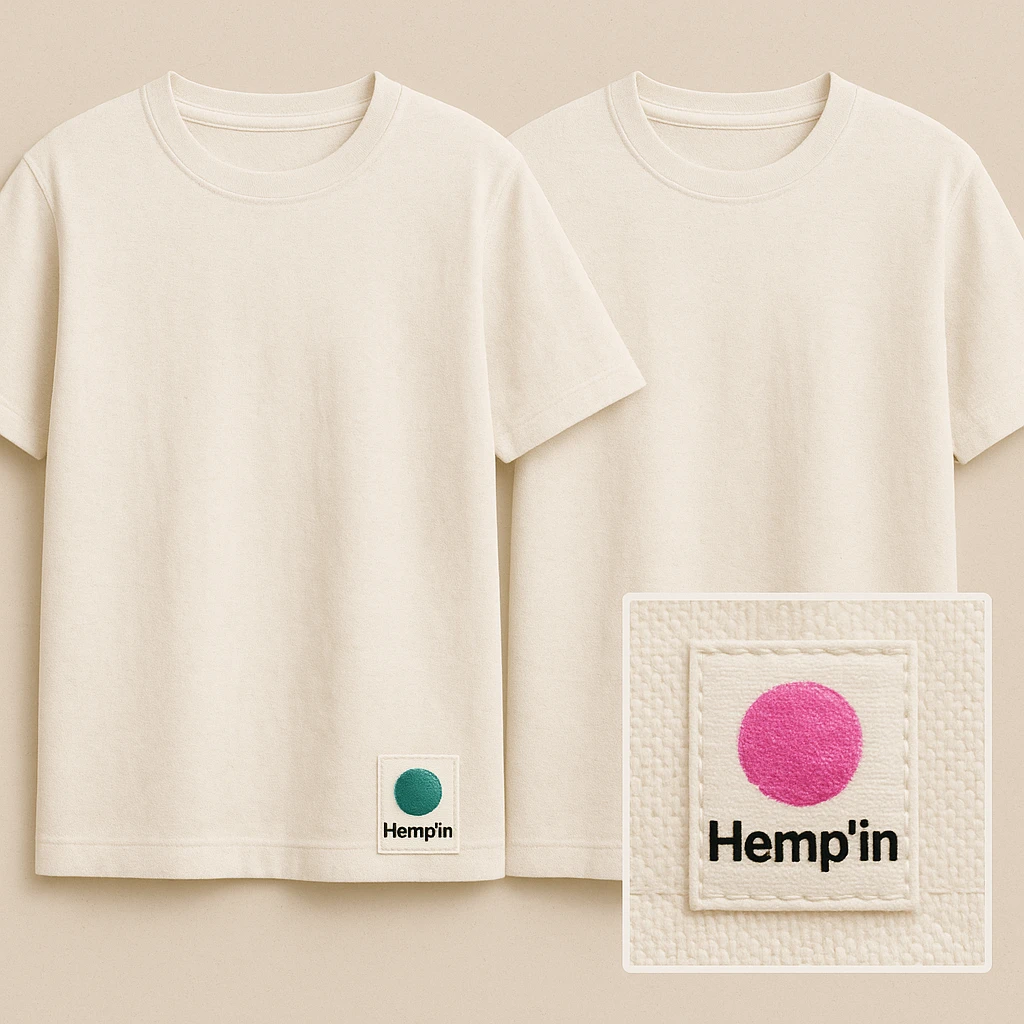 Hemp'in · Paris
Hemp cloth behaves like linen and lasts like canvas. It creases, it breathes, and unlike almost everything else in a wardrobe it gets better for about a decade before it starts getting worse.
Listed by the makers themselves. Prices and lead times are theirs.
Hemp'in · ParisThe short version: crisp at first, then it drops.
Cooler and stiffer than cotton, with a visible weave. Undyed hemp is not white — it is a greenish cream, and two garments from different harvests will not match exactly.
It softens, and it softens through washing rather than through wearing. Agitation is what breaks the fibre bundles down, so a shirt worn daily and washed weekly changes slowly.
Hemp is one of the few fibres that is stronger wet than dry, which is why it survives washing that shortens the life of cotton. It fades before it thins.
Nothing unusual, with one thing to avoid.
Six steps, and the second one is the one nobody expects.
Sown dense so the stalks grow tall and thin rather than branching. A fibre crop is harvested before the seed matures.
Left in the field for weeks so dew and microbes loosen the fibre from the woody core. The weather does the work, and it decides the colour.
The stalk is broken and the long bast fibre is separated from the hurd inside it.
Fibres are cleaned and aligned. Longer fibre makes finer yarn; the short stuff goes to paper and insulation.
Ring-spun for softness, or wet-spun for the finest counts. This is the step that decides whether cloth feels like sackcloth or like linen.
Jersey for tees, plain weave for shirting, canvas for workwear. Most of Europe's cut-and-sew sits in Portugal.
Canvas comes through Old French from the Latin cannabis. For most of the last two thousand years, canvas simply meant cloth made of hemp — sails, tents, sacks and the surface painters stretched over a frame.
Rope followed the same path. A ship's rigging was hemp because hemp holds its strength when it is soaked, and a rope that weakens in seawater is not a rope worth having.
Modern hemp jersey does not. Roughness comes from short, poorly separated fibre and coarse spinning, not from the plant. A 180 gsm ring-spun tee feels close to a linen one; a cheap loose weave will feel like a sack, and that is a processing difference.
A little on the first wash if the cloth was not pre-shrunk — usually two to three per cent. Makers who pre-shrink say so, and it is worth asking before you pick a size.
Cool. The fibre is hollow and moves moisture quickly, which is why it has always been a hot-weather cloth. Knitted heavier it insulates, but it is never a wool substitute.
Yes, and it takes natural dyes particularly well because the fibre is cellulose. Mordant first. Undyed pieces are the ones to start with.
Because retting is done by weather. A wet autumn gives greyer fibre, a dry one gives blonder fibre, and neither is a fault.